

Three Years of EARLY CHILDHOOD Action.
What We Learned. What Comes Next.
From 2022–2025, partners in Hamilton County, TN worked together to strengthen early childhood systems. The Early Childhood Action Plan final report captures what changed, what remains constrained, and how we’re building forward.
THE PLAN
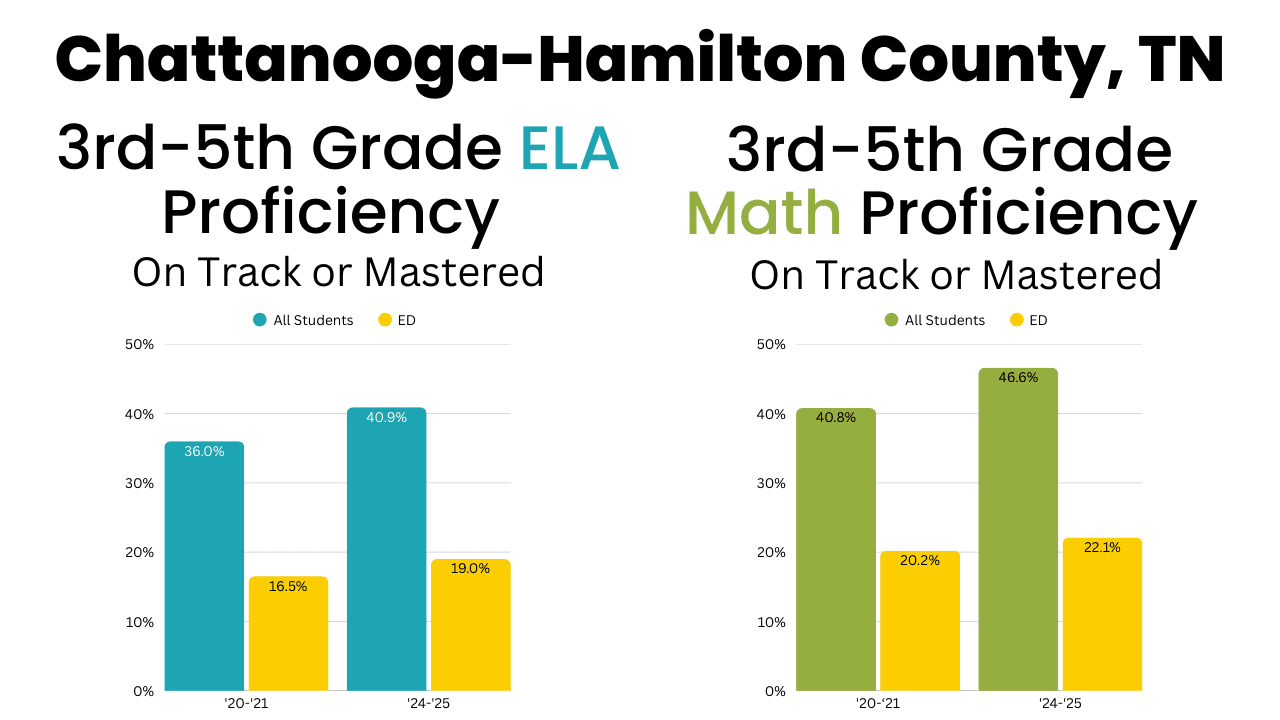
In 2022, Early Matters and Chattanooga 2.0 launched a three-year Early Childhood Action Plan as part of the statewide Bright Start TN Network, supported by Tennesseans for Quality Early Education. The goal was to positively impact 3rd – 5th grade English language arts (ELA) and math outcomes of economically disadvantaged children by implementing evidence-based strategies and strengthening how our existing early childhood systems work together across health, early learning, and family support.
With our peers across the state, we aimed to elevate the fact that early childhood outcomes are shaped not by any single program, but by how well systems work together during the earliest years of life. We shared the common understanding that these first years set the foundation for all future learning, that children are a product of their environment, and that families need support to give their child a strong start.
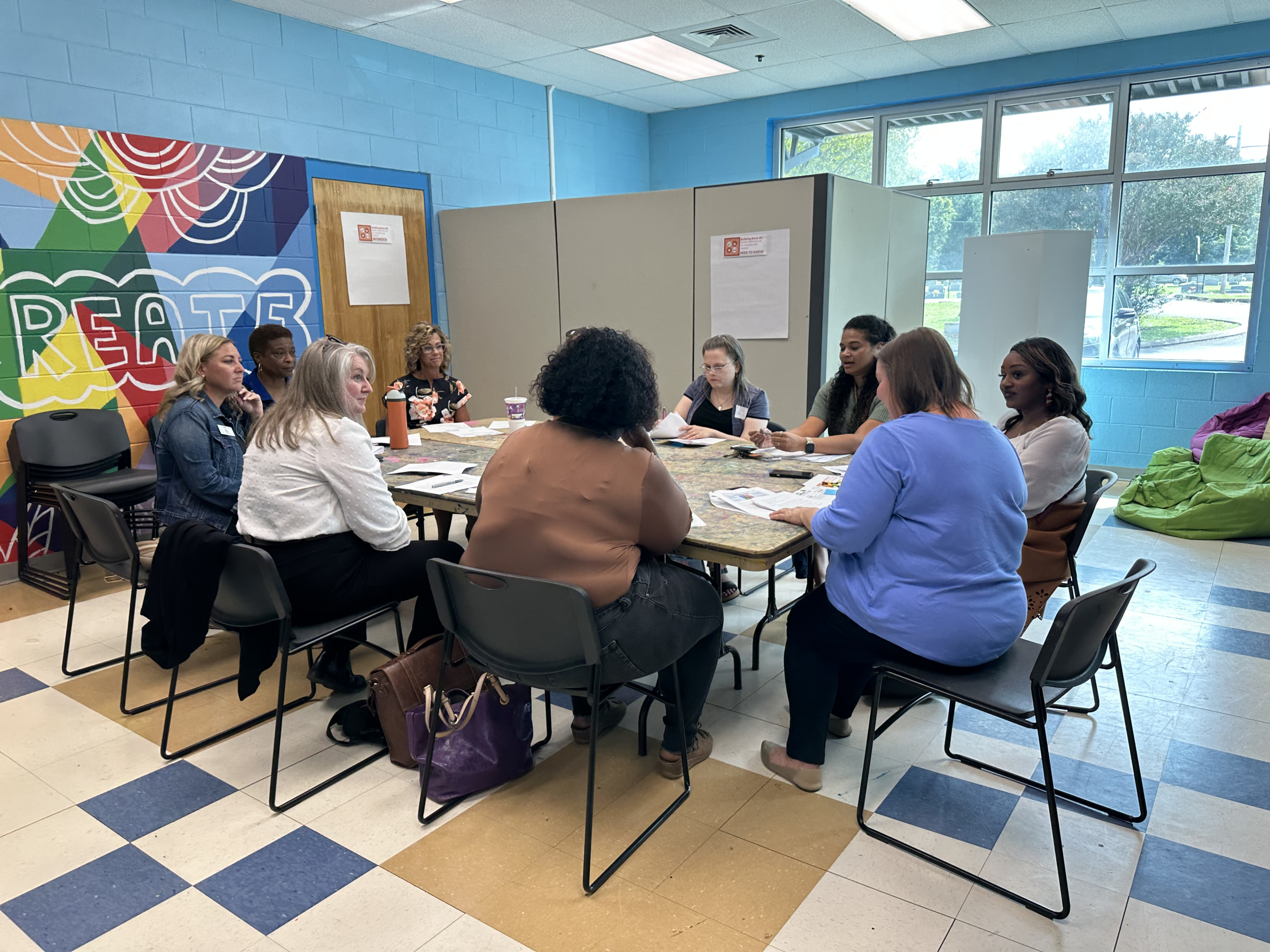
The plan focused on coordination, workforce stability, access to quality child care, and clearer pathways for families navigating services. It was designed to test what becomes possible when a community moves intentionally in the same direction on behalf of its youngest residents. Together, more than 40 organizations met regularly for three years to deepen collaborative relationships and implement strategies aligned to this shared goal.
WHAT WE LEARNED
collaboration accelerates progress
Together, these efforts demonstrated that collaboration works—and also clarified the limits of what local systems can measure, influence, and sustain without broader structural support. Partners aligned strategies around shared data and measurable goals, including improvements in kindergarten readiness, early literacy proficiency, early intervention access, and child health indicators. We saw measurable gains in early literacy, early intervention access, and maternal health outcomes. Families reported reading more frequently at home. Kindergarten transition infrastructure is now aligned countywide. Workforce investments helped stabilize programs during a period of strain.
child care is foundational infrastructure
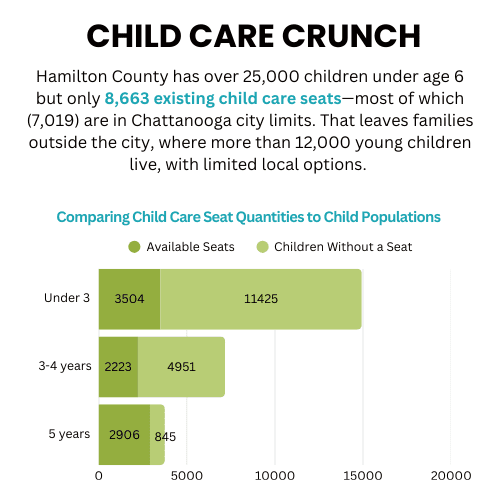
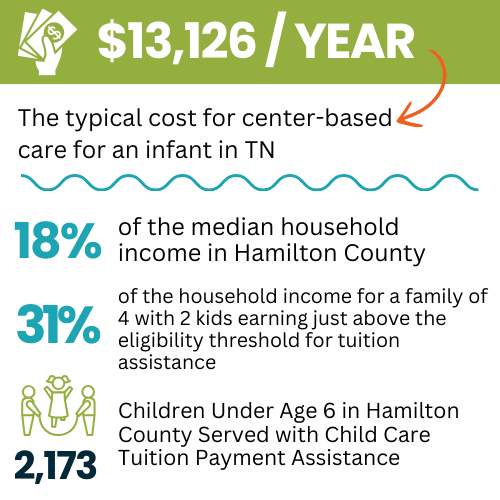
Access, affordability, and workforce stability of the child care sector directly impact family employment, school readiness, and economic mobility. Child care remains one of the most significant constraints shaping family stability and workforce participation in Hamilton County.
progress is real - and fragile
This work clarified that local alignment can move outcomes, but durable progress requires sustained public investment and policy stability. Workforce compensation emerged repeatedly as a defining issue shaping quality and access across all early childhood sectors. Rising costs of living, population growth, and child care affordability continue to strain families and providers.
The strongest lesson from this plan is that systems change is possible, but it is both relational and resource-dependent. In Hamilton County, TN, the greatest improvements began with individuals within organizations who were open to collaboration and to changing the way they do business if it would benefit children. Progress happens when partners align around shared goals, use data together, and remain responsive to emerging needs.
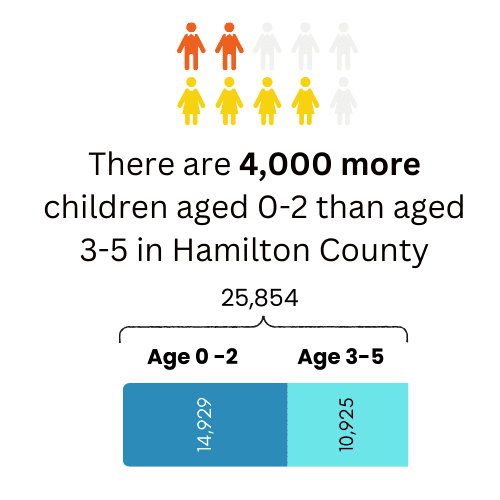
HOW THE DATA CHANGED 2021 - 2025
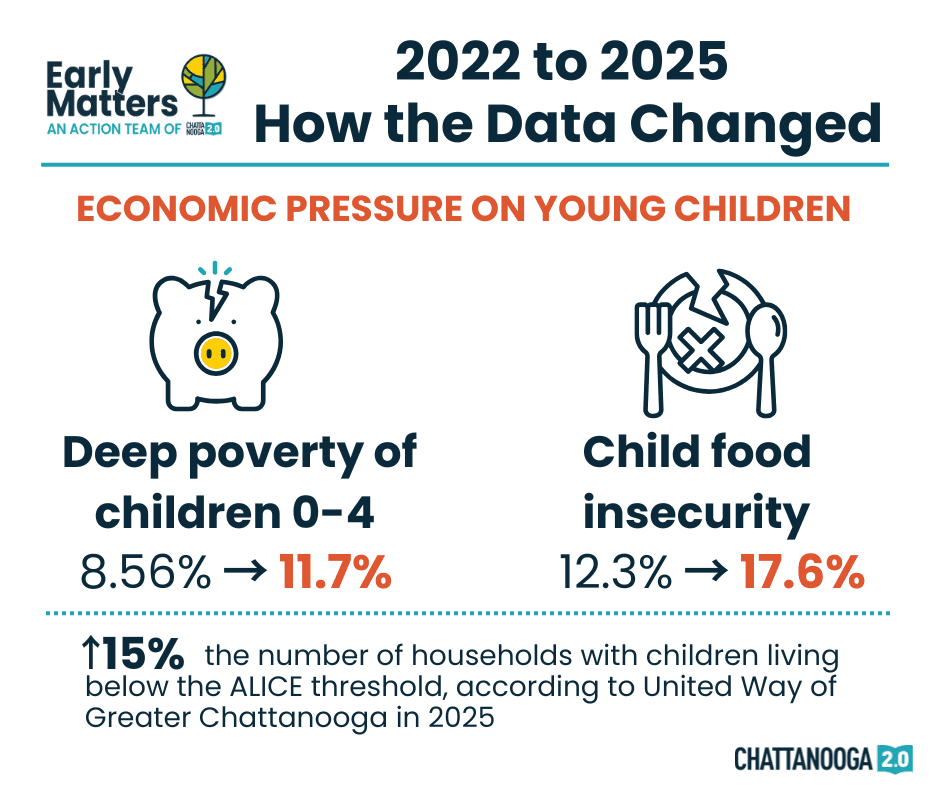
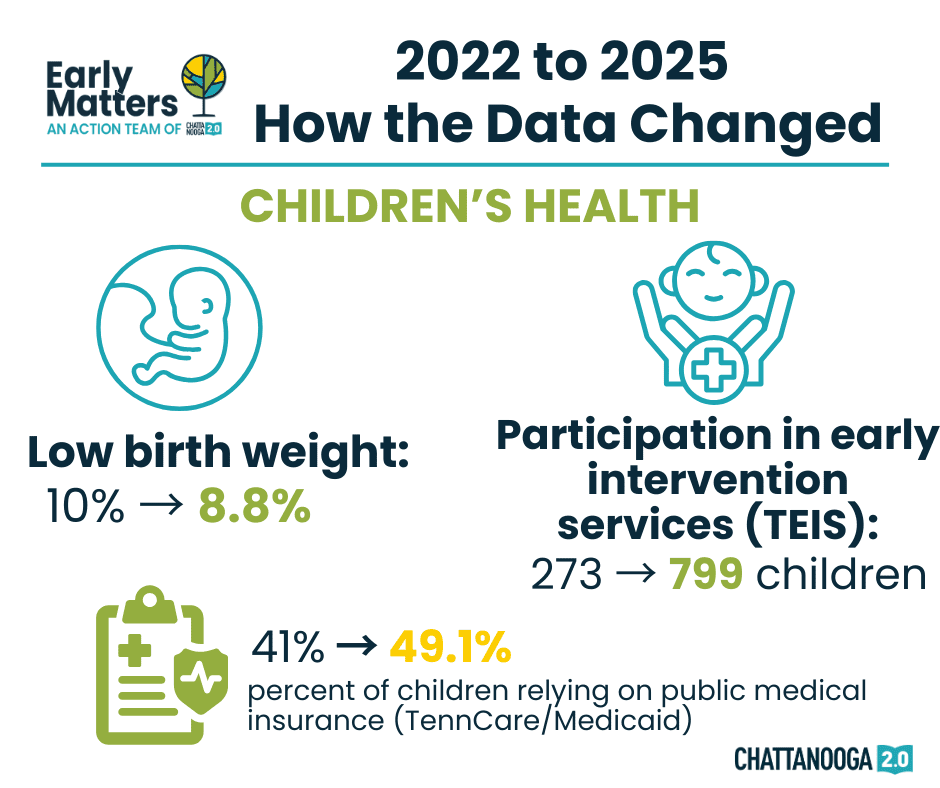
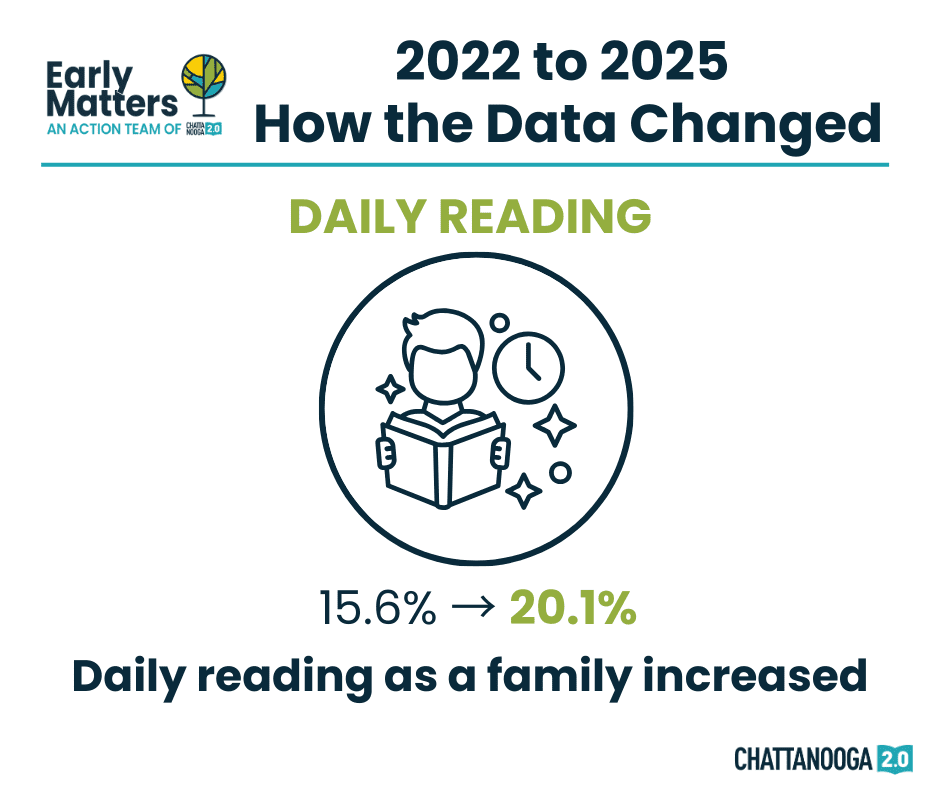
NOTE: Community-level data reflects the collective efforts of many individual organizations serving children and families across Hamilton County daily. No single outcome can be attributed solely to the Early Childhood Action Plan. At the same time, trends are influenced by broader economic conditions, population growth, and state and federal policy decisions that shape what local systems can sustain and measure.
WHAT's NEXT
NEIGHBORHOOD FOCUS
As this three-year plan concludes, early childhood leaders are not starting over. We are building forward. The relationships, data infrastructure, and shared understanding created through this work now position us to focus more deeply at the neighborhood level, beginning in Alton Park (37410), where we will make visible what coordinated early childhood systems look like in practice.
By concentrating aligned strategies within a defined geography, we aim to make visible what it looks like when health, early learning, and family supports are intentionally connected around young children and their families. Lessons learned locally will inform continued collaboration and future expansion across Hamilton County.
What Other Communities Can Learn
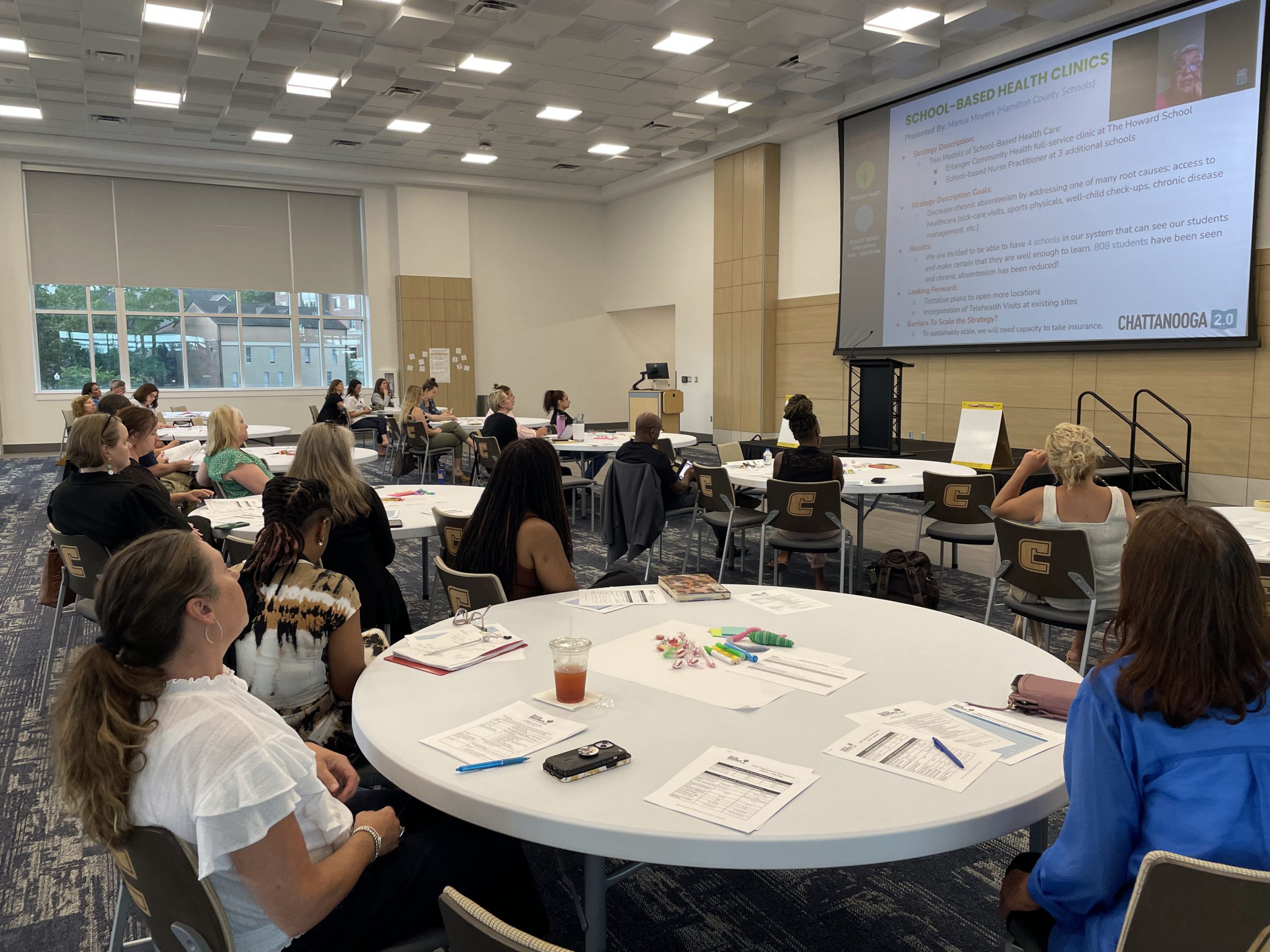
What We Learned About Systems Change:
Start with shared data.
Align before launching new programs.
Expect data gaps.
Pair collaboration with policy advocacy.
Plan for sustainability from the beginning.
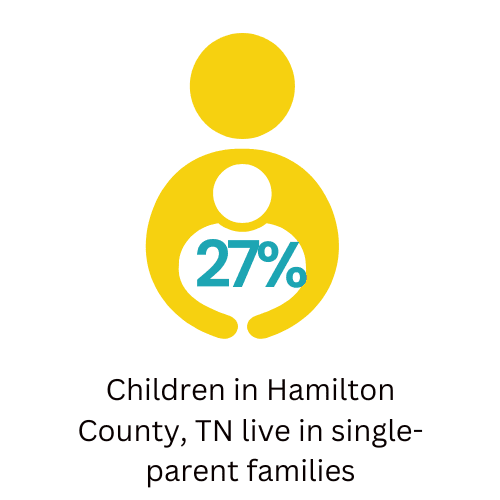
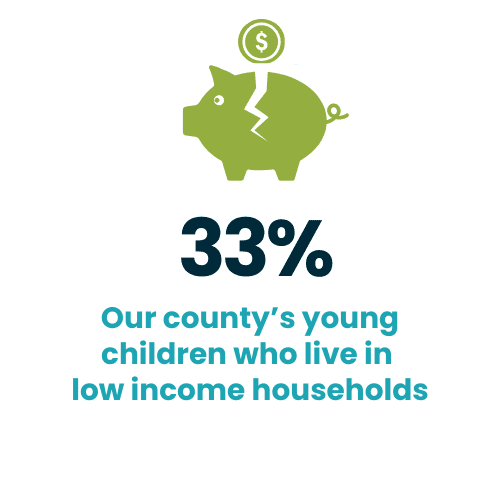
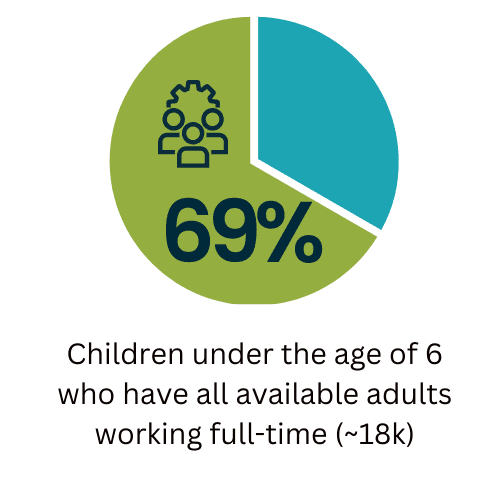
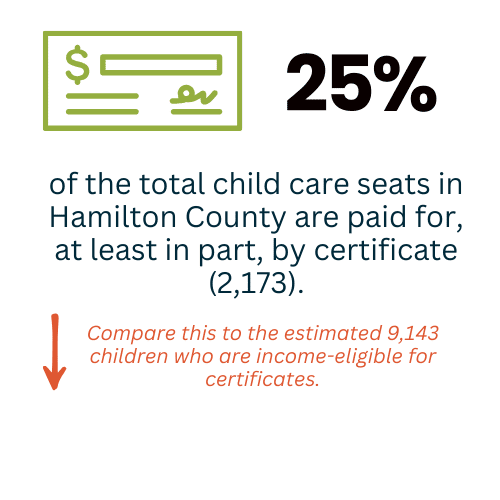
MORE 2025 EARLY CHILDHOOD DATA
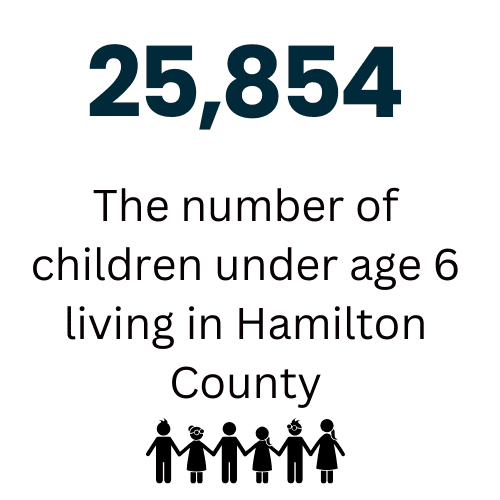
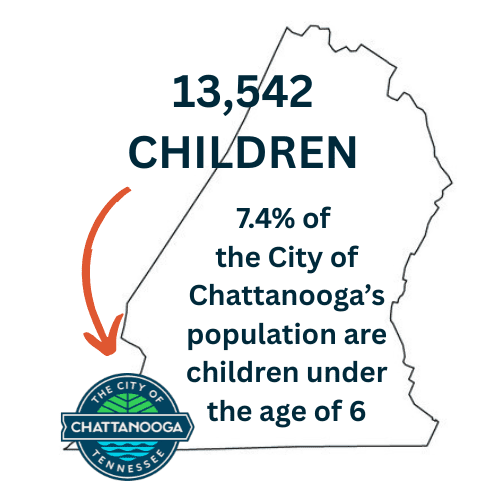
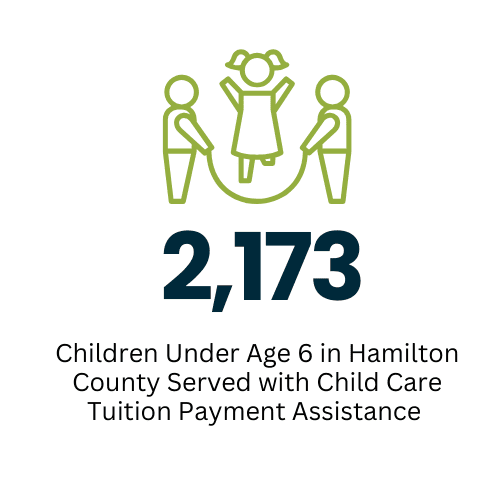
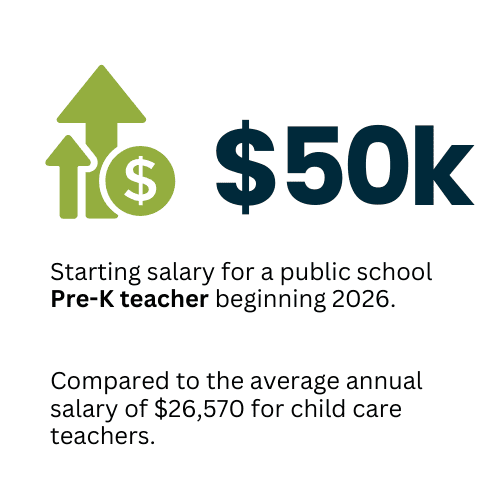
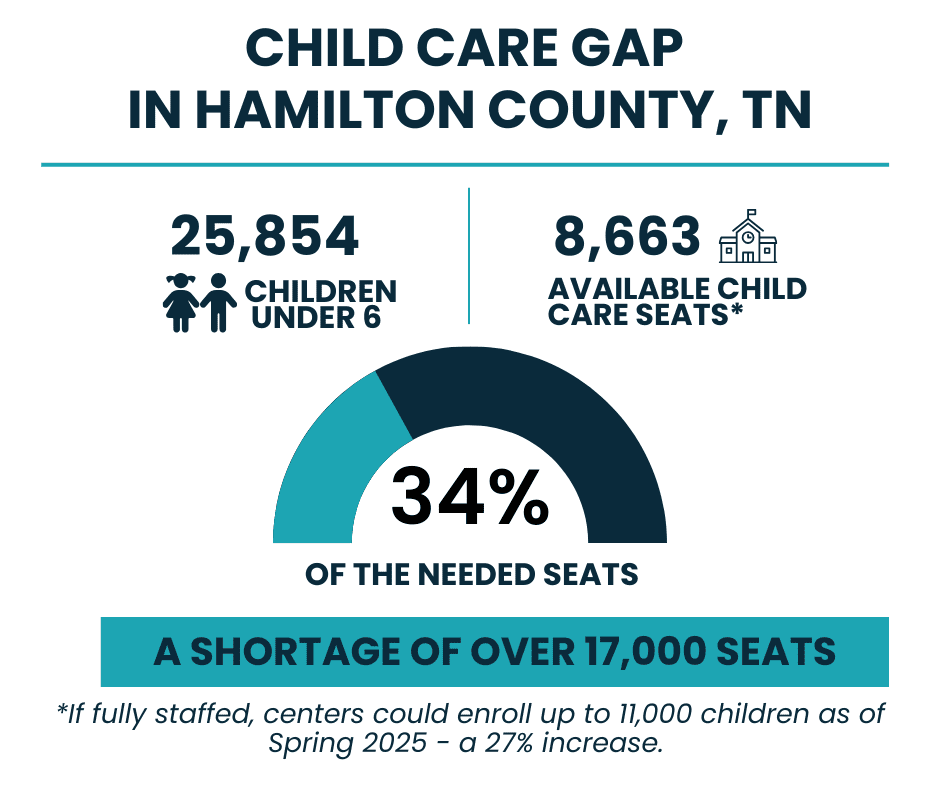
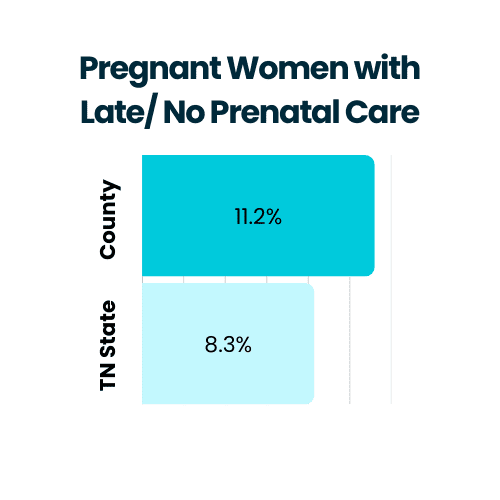
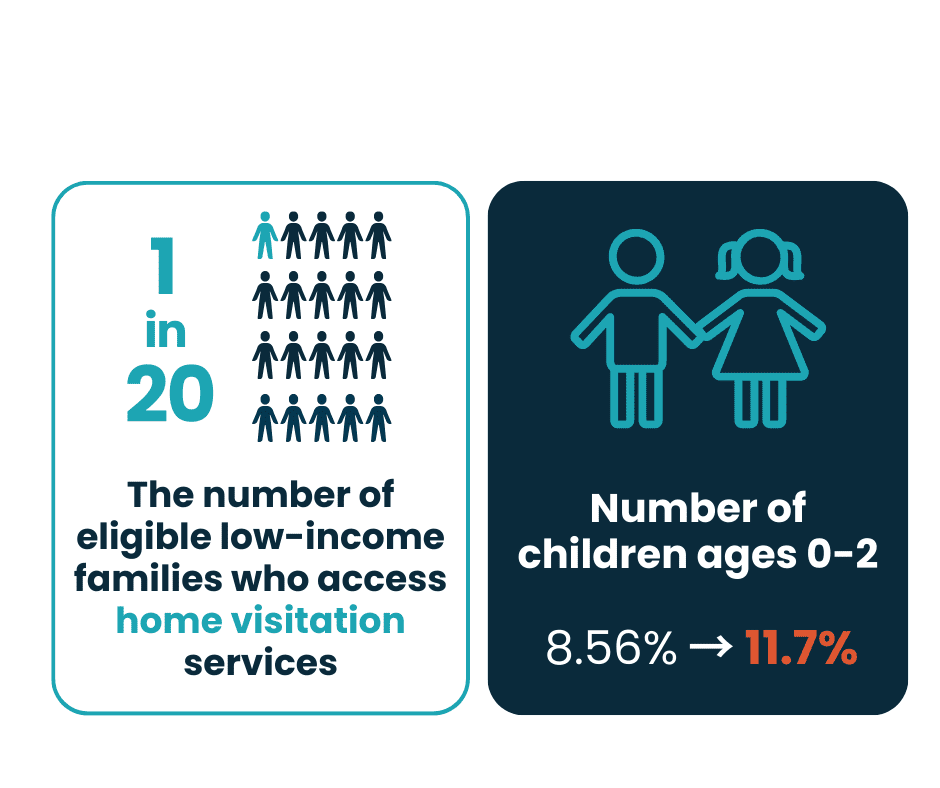
SOURCES: All data is from publicly available sources such as the US Census’s American Community Survey, with the exception of the child care seat count, which was calculated through surveys of local providers by Chattanooga 2.0.